Why Organizations Need Digital Strategies Beyond a Website
Ira Horowitz, Guest Blogger
This guest article was written and submitted by Ira Horowitz, Co-founder of Cornershop Creative. Please see the end of this article for Ira's bio.
By: Ira Horowitz

Your next major donor might discover your organization through a snippet of impact shared on LinkedIn. They might hear your director speak on a podcast, or stumble across a volunteer's story in their Instagram feed. By the time they actually land on your website, the decision to support your work has often already started forming.
For membership-based organizations like museums and zoos, that journey matters enormously. If your digital strategy stops at your URL, you're missing the 90% of the path that actually builds trust. Let’s explore why your organization needs to leverage multiple channels to reach your member community.
1. Meeting Donors Where They Are
Your donors and members aren't spending their days refreshing your "About Us" page. They're on LinkedIn for professional networking, Instagram for inspiration and entertainment, and their inbox for personal updates. A strong digital strategy brings your organization to them, on the platforms they're already using.
Cornershop Creative's nonprofit marketing plan guide highlights several channels worth building into your outreach, including:
- Email: Still one of the highest-ROI channels for nonprofits, email is great for member renewals, event announcements, and donor stewardship.
- Social media: Instagram, Facebook, LinkedIn, and TikTok each attract different audiences and serve different purposes. Pick the platforms where your community is most active.
- Google Ads: Search ads are particularly valuable for reaching people actively searching for experiences or causes like yours. If you are a registered 501(c)(3), you may qualify for $10,000/month in ad spend as part of the Google Ad Grants program for nonprofits.
- Text messaging: SMS is a growing channel for time-sensitive communications like event reminders and membership renewals.
- Podcasts and earned media: Your thought leadership can build credibility and introduce your work to entirely new audiences.
None of these channels replaces your website. Together, they make it more effective and personalize the messaging for your audience.
2. Leveraging the "Rule of Seven" for Donor Trust
There's a long-standing principle in marketing: a prospect needs to encounter a brand at least seven times before they take action. For a museum or zoo, that might mean someone sees your exhibit announcement on Instagram, reads a LinkedIn post about your conservation work, and then receives an email about an upcoming member-only event. By the time they land on your membership page, joining feels like a natural next step rather than a cold ask.
A strong member engagement strategy accounts for this kind of cumulative trust-building. Each touchpoint adds a layer of social proof. No single channel can do that work alone, but together, they create the kind of familiarity that turns curious visitors into committed members.
3. Diversifying Risk Against Algorithm Shifts
Relying on one platform, even your own website if it depends entirely on organic search, is a real vulnerability. A Google algorithm update, a Facebook reach drop, or a change in Instagram's ranking system can significantly cut your visibility almost overnight.
While search engine optimization (SEO) helps your site rank in traditional search results like those on Google, generative engine optimization (GEO) ensures your content is cited by AI-driven search tools and chatbots like ChatGPT and Claude. Both are essential, but they work best as part of a larger strategy.
A multi-channel approach creates a more resilient ecosystem. When one channel dips, others can carry the load. If your Facebook reach falls, a growing SMS list or an active email segment can keep your community engaged. If your SEO rankings shift, a strong social presence keeps you visible while you adjust.
Think of it less like putting eggs in multiple baskets and more like building multiple doors into the same house. Your audience can always find a way in.
4. Shortening the Distance to A Donation or Membership
A website, even a great one, requires clear navigation. Someone has to find your homepage, locate the membership page, and click through to a form before they've committed to anything. That creates a lot of steps between inspiration and action.
Other platforms help you close that gap. Facebook Fundraisers, "Donate" buttons in emails, and "Link in Bio" tools on Instagram all reduce the number of clicks between intent and conversion.
Text messaging is especially effective here. Mogli's guide to SMS marketing outlines several text-based approaches that are particularly well-suited for membership-based organizations, including renewal reminders, text-to-donate campaigns, and conversational texting for event follow-ups.
The underlying benefit is simple: impulsive generosity is real, and it's fleeting. When someone feels moved to give or join, every extra click is an opportunity for that impulse to fade. Meeting them with a frictionless option in that moment captures support you might otherwise lose.
5. Reaching Different Audiences
Your audience isn't a monolith. Local members who visit every weekend have different motivations than out-of-town tourists planning a one-time trip. Corporate partners respond to different messaging than families looking for weekend activities. A single website, no matter how well-designed, struggles to speak meaningfully to all of them at once.
Different platforms let you tailor your outreach. A museum might use Google Ads to reach high-intent searchers looking for keywords like "family activities this weekend" or "best museums near me," while also leveraging Instagram to keep its core community engaged with behind-the-scenes content. LinkedIn might be the right home for corporate partnership outreach, while a personalized monthly email newsletter keeps long-time members feeling connected.
Marketing strategies for membership-based organizations often emphasize segmentation for exactly this reason. When your messaging feels relevant and personal to each audience segment, engagement goes up and churn goes down.
Wrapping Up
A multi-channel strategy doesn't mean being everywhere at once.
Instead, take stock of where your most underserved audience segment is spending time and commit to showing up there consistently. If you've neglected LinkedIn, spend 90 days posting regularly and see what it does for your corporate partnership conversations. If text messaging is new territory, pilot a renewal reminder campaign and track the response rate. Your CMS might even have an integrated SMS function.
Your fundraising calendar is a good place to start planning those multi-channel moments. Map your key dates, then work backward to figure out which platforms and messages will support each campaign. One channel at a time, you'll build the kind of digital presence that meets your audience wherever they are and makes it easy to support your work.
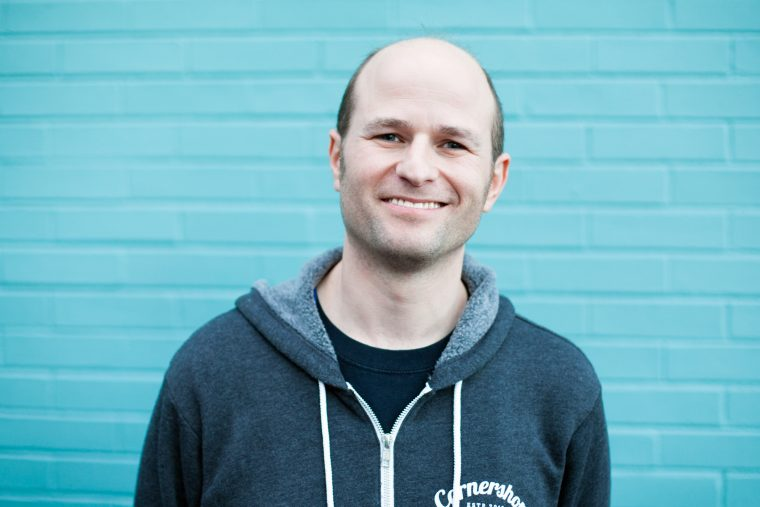 About the Author: Ira Horowitz, Co-founder of Cornershop Creative
With 15 years’ experience, Ira is an expert in nonprofit online communications and online fundraising. His work has resulted in increased funds and resounding supporter engagement for hundreds of organizations.
Ira oversees our project management team and works with clients to provide our clients with the best possible final product. He also manages all of our strategic engagements and helps guide nonprofits to determine their long-term strategy goals for online communications.